
Lynchburg City Arrest Warrants Explained
Virginia law lets a magistrate or another authorized judicial officer issue an arrest warrant once a complaint is sworn and probable cause is found. The order must name or describe the accused, state the offense, direct an arrest, name the return court, and carry the issuing officer's signature. Every warrant is tied to one specific alleged offense. In Lynchburg City, anyone with information about a possible case can search OCIS for supported court records. Then ask the issuing clerk to confirm current process. A public case entry is not a complete warrant check. Brand-new complaints and initial bail questions go to the Magistrate's Office instead.
Lynchburg City Magistrate Office
Want to take out a criminal warrant? LPD sends people to the Lynchburg Magistrate's Office at 524 9th Street. The published number is 434-847-1329. The LPD Victim/Witness page says magistrates are on duty 24 hours a day, seven days a week. The office reviews complaints and probable cause, issues process when statutory requirements are met, and makes initial bail decisions. The official LPD warrant-application instructions lay out that route. Remember, this is an issuance path, not a public list of existing Lynchburg City warrants.
For an older Lynchburg City case, the court clerk is the better source on whether a warrant was served, returned, or recalled.
Inside a Lynchburg City Arrest Warrant
Virginia Code § 19.2-72 and Rule 7C:3 set out what a warrant must contain. A case number or OTN helps the clerk pull the file. The offense and the return court show where the paper belongs. Lynchburg City publishes no public warrant-number format or completed sample warrant, so treat any number you see as something the clerk must verify.
| Identifier | Case number and unique OTN for court-generated process; a public number format was not found. |
|---|---|
| Accused person | Name or adequate description used to identify the person named. |
| Offense | The offense described in the complaint or warrant. |
| Issuing officer and court | Signature and the court where the person must be brought. |
| Bond | Case-specific conditions set by a magistrate or court. |
| Service and return | Officer returns service information to the court record. |
Lynchburg City Search Warrant Records
Arrest warrants and search warrants do different jobs. The first authorizes taking a person into custody. The second lets officers search a place, person, or thing for evidence. A search-warrant affidavit may stay sealed for a time, then generally opens to inspection after execution or fifteen days from issuance, whichever comes first, unless a judge orders continued sealing. The statutory arrest-warrant rule and search-warrant access rule are separate provisions, and the official court and statute pages show those distinct record paths in Lynchburg City.
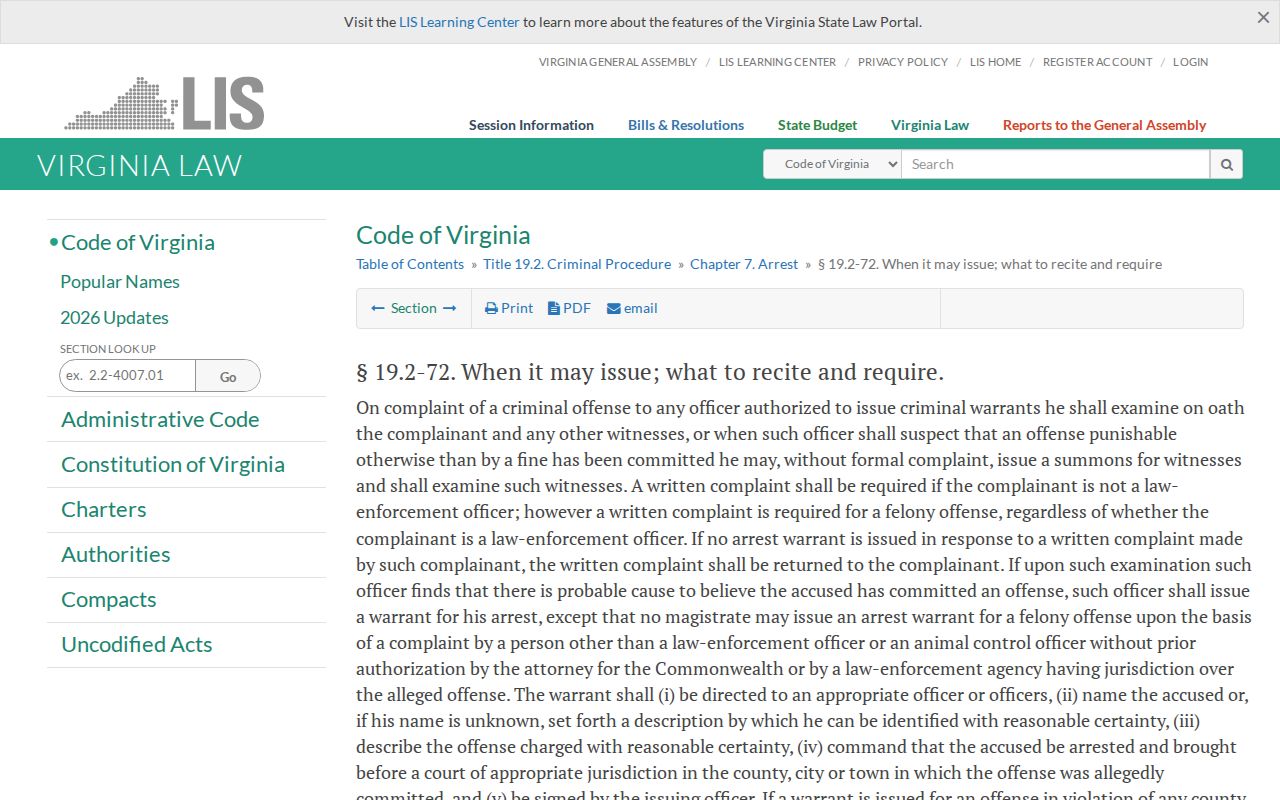
The arrest statute covers the complaint, oath, probable cause, warrant contents, and service direction.
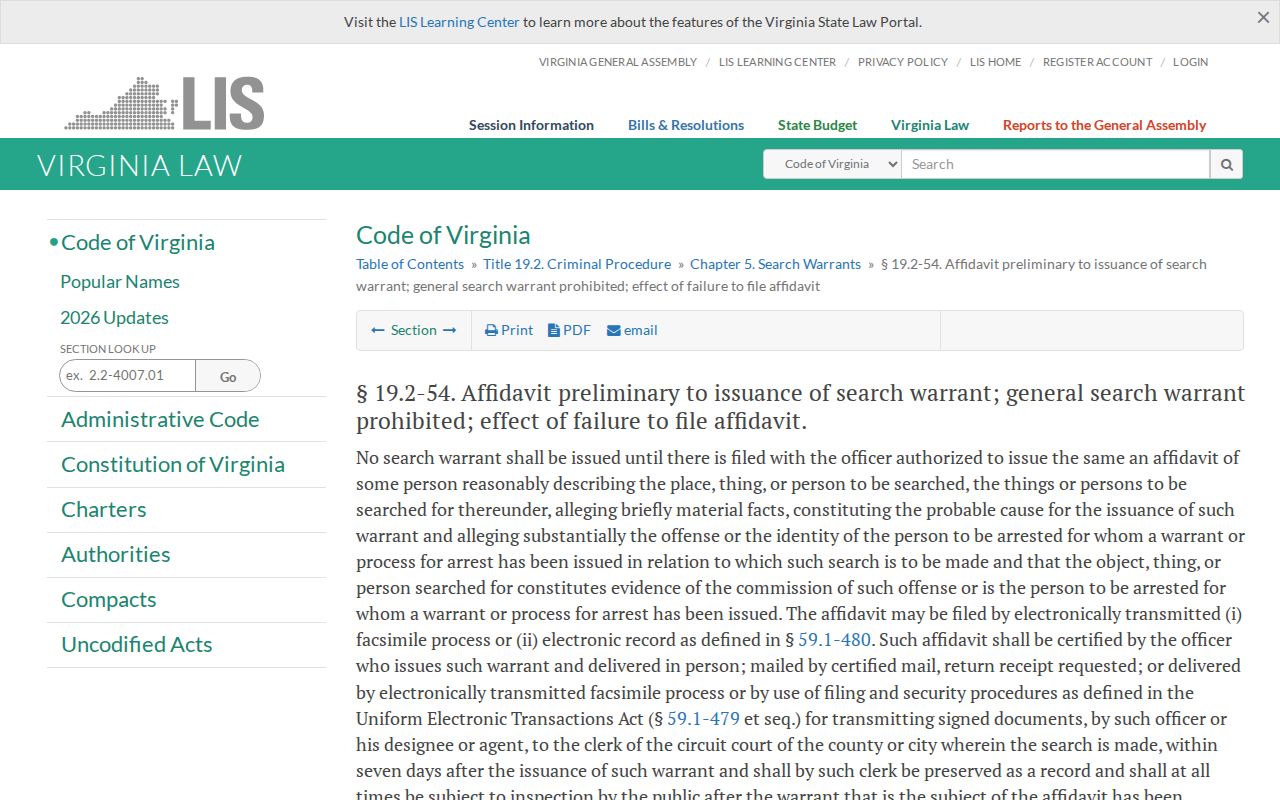
The separate search-warrant statute governs when a Lynchburg City affidavit and its return papers may be inspected, subject to sealing.
Serving Arrest Warrants in Lynchburg City
LPD officers serve the warrants that come out of police work. The Sheriff's public duties cover court security, civil process, transportation, and law-enforcement assistance. Virginia State Police, regional task-force partners, or federal marshals may join when jurisdiction or an operation calls for it. Which agency serves a Lynchburg City warrant depends on the order and the case. After an arrest, custody may move to the Lynchburg Adult Detention Center, run by Blue Ridge Regional Jail Authority at 510 Ninth Street. Call the facility at 434-847-1300; BRRJA's general number is 434-847-3100. Those jail contacts cannot change or recall process. Only the issuing court holds that authority.
Lynchburg City Police Warrant Service
LPD's Field Operations page links a public Warrant Service Procedure through PowerDMS. That confirms a written agency procedure exists. It does not offer a person search or a public roster of Lynchburg City warrants. For a case question, start with the court record. Use the police information desk only for routing. The Field Operations page and its public warrant procedure entry give the details.

The department lists a Warrant Service Procedure among its operational materials.
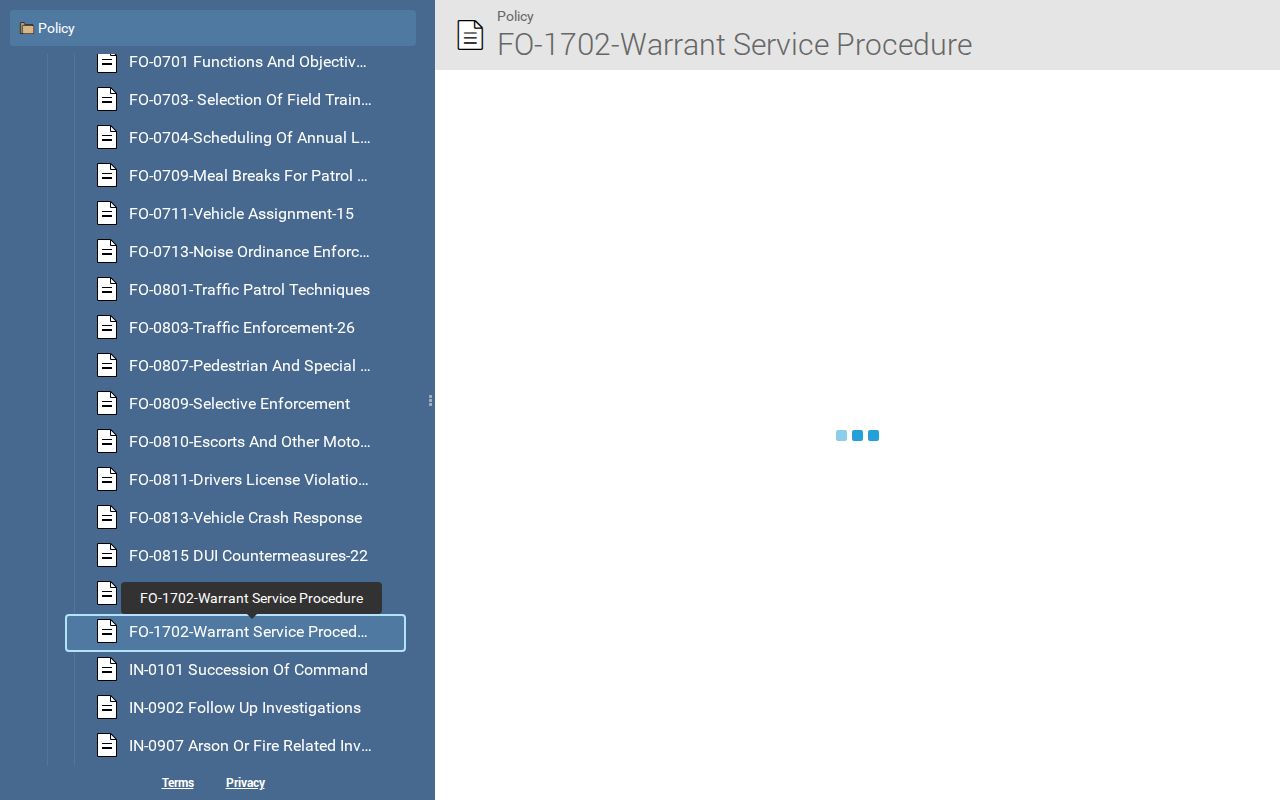
The PowerDMS screen is a policy interface, not an individual warrant record.
Comparing Arrest, Summons, and Bench Warrants
An arrest warrant follows a probable-cause finding. A summons directs a person to appear without ordering immediate arrest. A bench warrant or capias follows an existing court obligation, such as a missed date. The next step depends on the paper and the court, and the Lynchburg City bench warrant rules cover the missed-date process in detail.
| Feature | Arrest Warrant | Summons | Bench Warrant |
|---|---|---|---|
| Command | Take the named person into custody | Appear at a stated time and court | Bring a person before the court |
| Basis | Complaint, oath, and probable cause | Charge or notice with appearance terms | Missed court duty or noncompliance |
| Issuer | Magistrate or authorized judicial officer | Court or authorized officer | Judge in the court handling the case |
| Response | Confirm service and bond with counsel/court | Attend as directed | Ask issuing court about appearance or recall |
Lynchburg City Warrant Partners
LPD's 2025 public releases describe work with Virginia State Police, the Central Virginia Drug and Gang Task Force, Bedford City Police, Bedford County Sheriff's Office, and the U.S. Marshals Service. Those notices show which agencies may coordinate in a regional Lynchburg City matter. They set no standard service timetable for every arrest warrant. The numbers tell a workload story too. The Sheriff's 2024 report records only two criminal-warrant service entries inside a broad 70,182-item civil-process and warrants-served category. LPD's 2023 report records 4,268 warrant services. Count figures like those as activity, not as a count of active warrants or a measure of speed.
If There’s an Arrest Warrant for You
Before anything else, confirm the case and the issuing court. Ask the clerk whether the process is still active and where an appearance must happen. A lawyer can also ask about a bond review or a recall of the warrant. Lynchburg City publishes no universal surrender window, no walk-in option, and no warrant bond schedule, so plan the next step with counsel rather than assuming one exists.
If an arrest happens in Lynchburg City, the person may be held at the Lynchburg Adult Detention Center while the case moves forward. Jail staff can walk you through custody procedures. Only the court can recall its own warrant, though, no matter what jail staff say. Keep every court paper, bond receipt, and written instruction in one place while the process runs.
Important: Get case-specific advice before appearing; the public sources do not promise that a voluntary visit avoids arrest or sets bond automatically.
Lynchburg City Federal Warrant Questions
A federal matter runs on a different docket and in a different court than a Virginia state warrant. The Western District of Virginia lists a federal courthouse and probation office at 1101 Court Street in Lynchburg. PACER sells docket access under its fee rules. RECAP or CourtListener may surface some docket material for free. Neither one is a complete public federal warrant roster, and sealed warrants may stay hidden from both. For any Lynchburg City federal warrant question, talk to counsel, the federal clerk, or the proper agency. The Lynchburg federal court location and the PACER fee explanation come straight from the official pages.
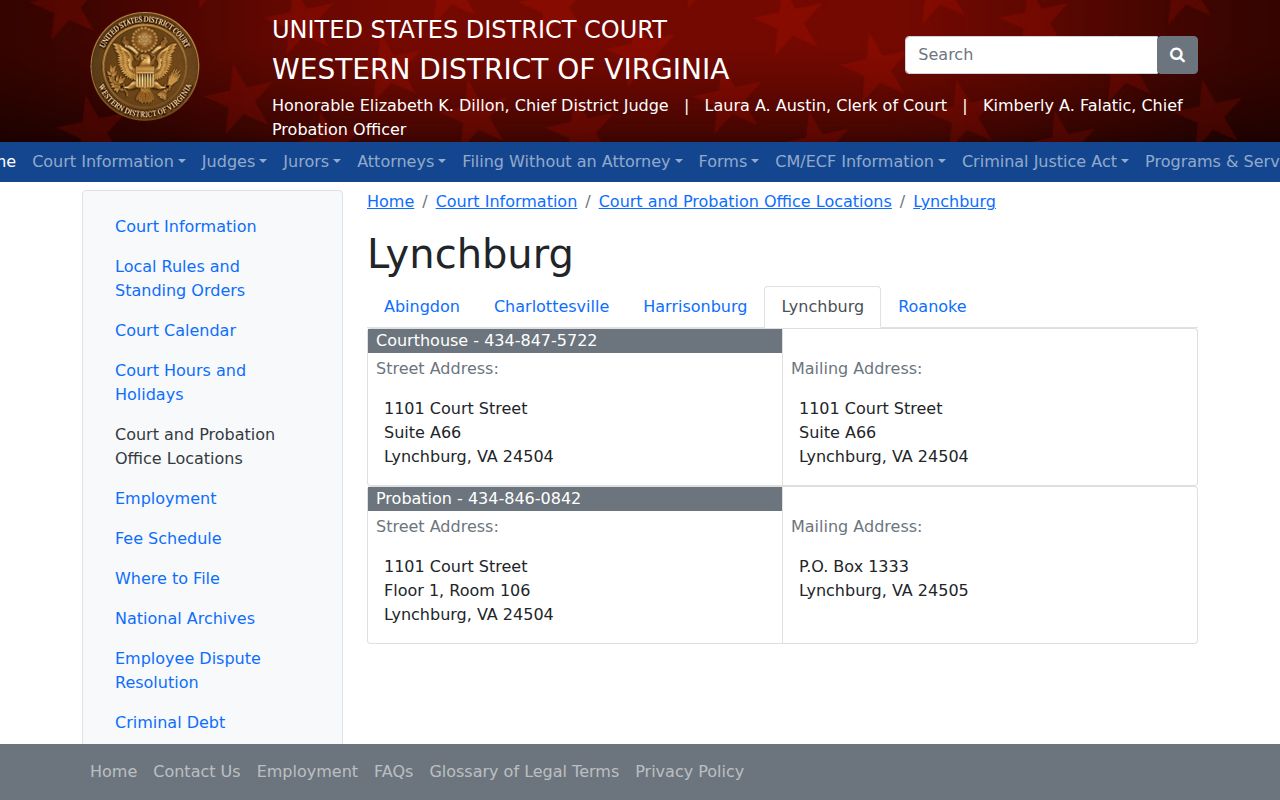
The federal office directory identifies a separate court route for Lynchburg matters.
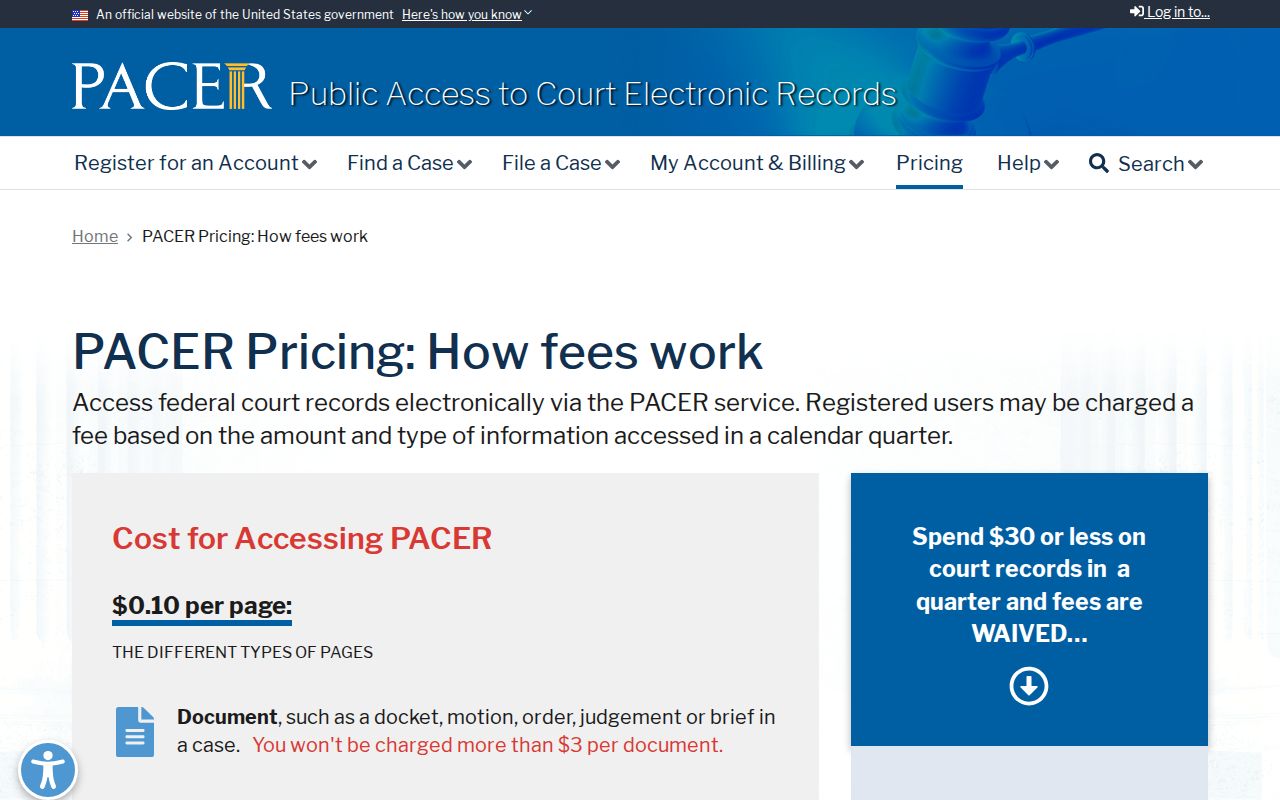
PACER helps with docket research in Lynchburg City, but it cannot replace direct confirmation from the federal court or agency.